Patented Neutral-pH Cotton Preparation Platform
Fibre52® is a patented, caustic-free cotton preparation platform that replaces conventional high-alkali processing with a lower-temperature, neutral-pH approach, creating a stronger foundation for better fabrics and lower-impact manufacturing.
Caustic-free processing reduces water, energy and emissions without changing existing equipment.
Gentler preparation preserves more of cotton’s natural structure for stronger, longer-lasting fabrics.
Runs on existing equipment with flexible processing for a wide range of fabrics, shades and production goals.
Improved softness, strength, dye consistency and weight retention begin during preparation.
Commercial manufacturing, standardized testing and digital verification support every claim.
The Philosophy
Before a fabric is dyed, finished, or cut and sewn, one process determines everything that follows. Preparation.
Traditional cotton preparation was designed decades ago around speed, whiteness and process efficiency. Those priorities remain important, but the harsh chemistry and high temperatures traditionally used can also alter the fiber before dyeing ever begins.
Fibre52® takes a different approach. By preparing cotton with a caustic-free, neutral-pH process at lower temperatures, Fibre52® helps preserve more of the fiber’s natural integrity while creating a better foundation for everything that follows.
Preparation isn’t just the first step. It’s the foundation for better cotton.
Better preparation influences everything that follows: strength, softness, dye consistency, comfort and long-term fabric performance.
The Process
Fibre52® combines advanced chemistry with a patented neutral-pH preparation process to prepare cotton differently from conventional alkaline bleaching. Together, the chemistry and process create a stronger foundation for dyeing, finishing and long-term fabric performance.
The patented Fibre52® preparation process preserves cotton’s natural protective wax layer, reducing unnecessary fiber damage during preparation.
Gentler preparation preserves more of cotton’s natural fiber architecture, creating fuller, loftier fabrics with lasting softness from within the fiber.
Produces commercial whiteness at lower temperatures while maintaining excellent performance across light, medium and dark shades.
Gentler preparation reduces fiber degradation during processing, resulting in documented reductions in fabric weight loss.
Fibre52®’s patented preparation process can be optimized for different manufacturing objectives, from maximum whiteness to maximum fiber preservation, or anywhere in between, all within the same chemistry platform.
Every mill, fabric and brand has different priorities. Fibre52® allows manufacturers to tune preparation without abandoning the core process philosophy.
Gentler preparation helps manufacturers increase recycled cotton content while maintaining fabric quality and extending fiber value.
Tunable Preparation
Depending on the customer’s objectives, preparation can be tuned across the spectrum while maintaining the advantages of lower-temperature, neutral-pH processing.
Documented Commercial Savings
These ceiling figures are from documented commercial manufacturing programs and should not be viewed as typical or guaranteed results. See the full evidence and methodology →
Process Curve
Conventional cotton preparation typically relies on repeated heating, bath changes and chemical transitions before fabric is ready for dyeing. Fibre52®’s patented preparation process simplifies that journey through lower-temperature, neutral-pH preparation while moving directly toward dyeing with fewer process transitions.
Fibre52® Process Curve
Illustrative comparison of the Fibre52® preparation stage prior to dyeing. Actual operating conditions vary by mill, fabric construction and preparation objective.
Why This Matters
The Fibre52® process curve illustrates how lower-temperature processing and fewer bath changes simplify cotton preparation before dyeing. The result is a more efficient preparation process that leaves fabric ready for instant absorption at the dyeing stage, creating a stronger foundation for the fabric that follows.
Commercial Result
Direct transition to dyeing with fewer bath changes.
Conventional Preparation
Fibre52® Preparation
Less heat. Less time. Fewer process interruptions.
The result is a patented preparation platform that improves manufacturing efficiency while preserving more of cotton’s natural fiber structure.
A gentler preparation curve doesn’t just reduce energy. It changes what happens to the fiber itself.
The Difference
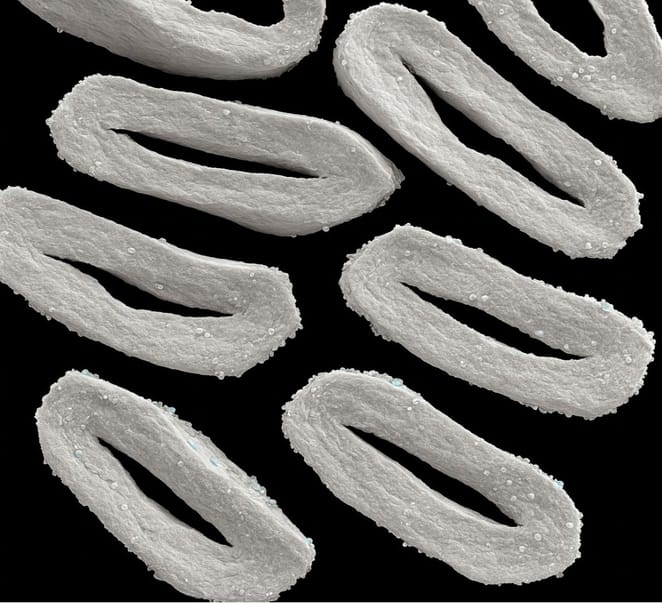
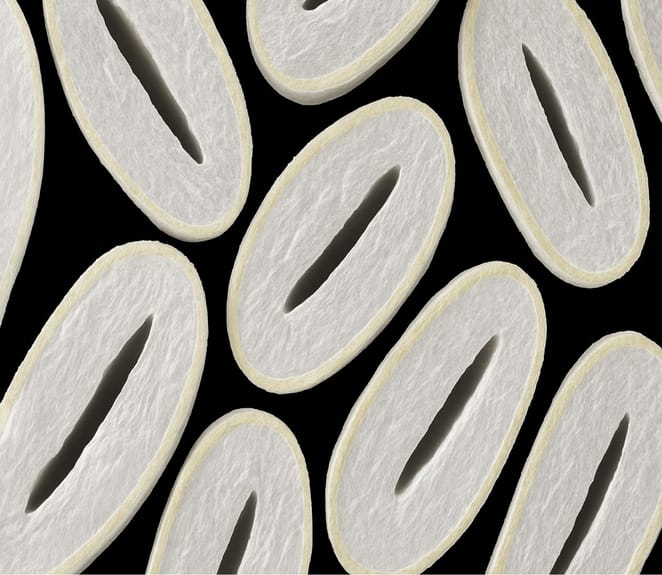
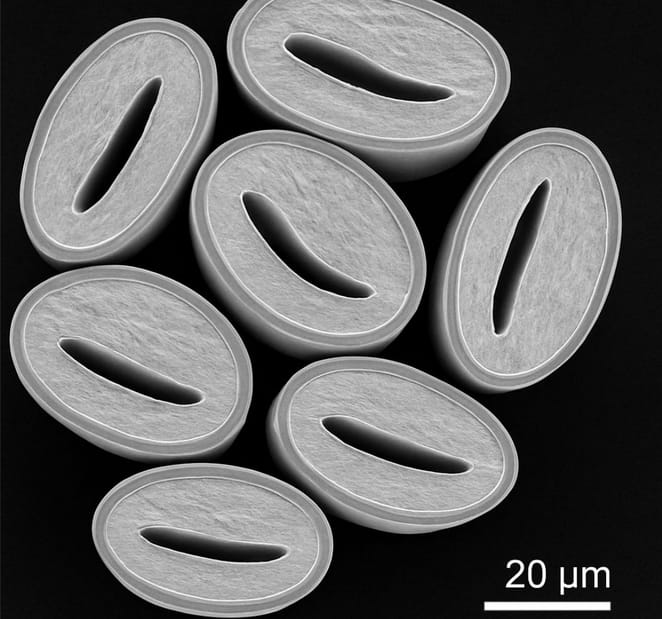
Under magnification, the effects of cotton preparation become visible. Conventional alkaline bleaching is designed to maximize whiteness by removing much of cotton’s natural protective wax layer. Fibre52® takes a different approach, using a patented lower-temperature preparation process that preserves more of that natural wax layer while preparing cotton for dyeing.


Whiteness and absorbency remain important manufacturing objectives, but they do not tell the full story of what happens to the fiber during preparation. By controlling how much of cotton’s natural wax layer is preserved, Fibre52® helps manufacturers balance whiteness, dye performance and finished-fabric performance according to the requirements of each product.
Conventional
Removes more of cotton’s natural wax layer, creating greater fiber surface damage and contributing to increased fabric weight loss during preparation
Fibre52®
Uses a patented lower-temperature preparation process that preserves more of cotton’s natural wax layer, supporting stronger, loftier, fuller and more consistent fabrics
Tunable Preparation
Tune Preparation for the Outcome You Want.
Fibre52® is not limited to a single preparation outcome. The process can be tuned to preserve more of cotton’s natural wax layer, maximize whiteness, support instant absorbency, or balance between these outcomes depending on the manufacturing objective.
Why Cotton’s Natural Wax Matters
Preserving more of cotton’s natural structure creates stronger, loftier fabrics and measurable manufacturing advantages that extend well beyond preparation.
Recognition

2024 · Winner

2026 · Textile Innovation of the Year, Winner

2025 · Shortlisted
In Their Own Words
Laura Thornquist walks through how the process works, start to finish.
Graham Stewart on why he set out to replace harsh chemicals with bio-based alternatives.
Hasan Shahariar walks through the Fibre52® process and its impact in commercial manufacturing.
The Impact Results
“Up to 50% less water” is a ceiling, not a promise. Results vary by mill, fabric construction, machine type, process conditions and production scale.
See the real water, energy and CO₂ savings collected across completed Fibre52 trials, mill by mill and country by country, not a single generic average.
See the Impact Results →The Evidence
Fibre52 doesn’t ask you to take our word for it. Explore the documentation behind every claim on this page.
By choosing Fibre52, you’re helping change the way cotton is bleached and dyed, for the better.